

The Museum Mile Festival is an annual event on New York’s Fifth Avenue, where Manhattan’s leading museums open their doors to everyone. It covers several blocks between Central Park and Harlem, which for one evening become a seamless cultural zone without cars or tickets. Alongside the legendary history of the Chrysler Building, this festival defines the city’s unique character, and the website manhattanski.com is here to help you learn more.
Usually, Museum Mile is described as a convenient chance to visit the Met or the Guggenheim for free. But once you’re there, the focus shifts. People spill out into the street, stop by musicians, watch impromptu performances, and debate art right on the sidewalk. This raises a different question: if the main attractions are inside the museums, why is so much happening outside?
How Museum Mile Began and Why It Was a Risk
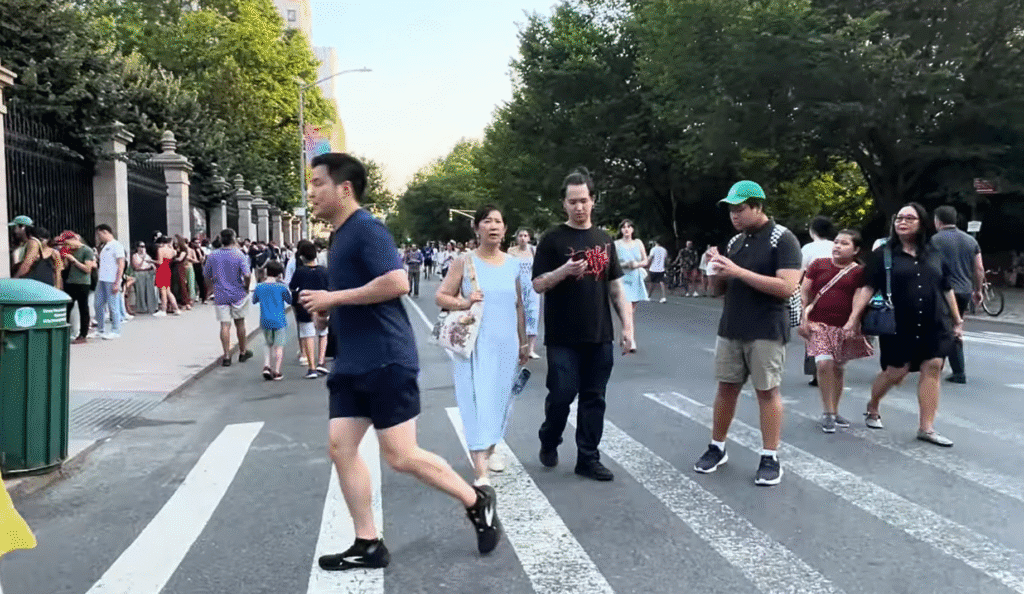
The festival idea was born in 1970s New York—a time when the city was looking for ways to sustain interest in culture. Museums along Fifth Avenue had existed side-by-side for decades, but they operated on their own schedules and rarely intersected in the public sphere. Uniting meant changing the logic: instead of competition, a shared event that draws people to the entire street.
Free admission was a bold step. For institutions relying on donations and ticket sales, it’s always a balance between accessibility and economics. But the bet was on something else—introducing new audiences to museums without the price barrier. And the bet paid off: people came “just to look” and returned as lifelong fans.
Fifth Avenue itself is another story. Closing one of the city’s most famous thoroughfares meant disrupting the usual order. Cars vanish, replaced by crowds of pedestrians, music, and chalk drawings on the pavement. The street stops being a transit route and becomes a destination where people want to linger.
How the Festival Became a Central City Event
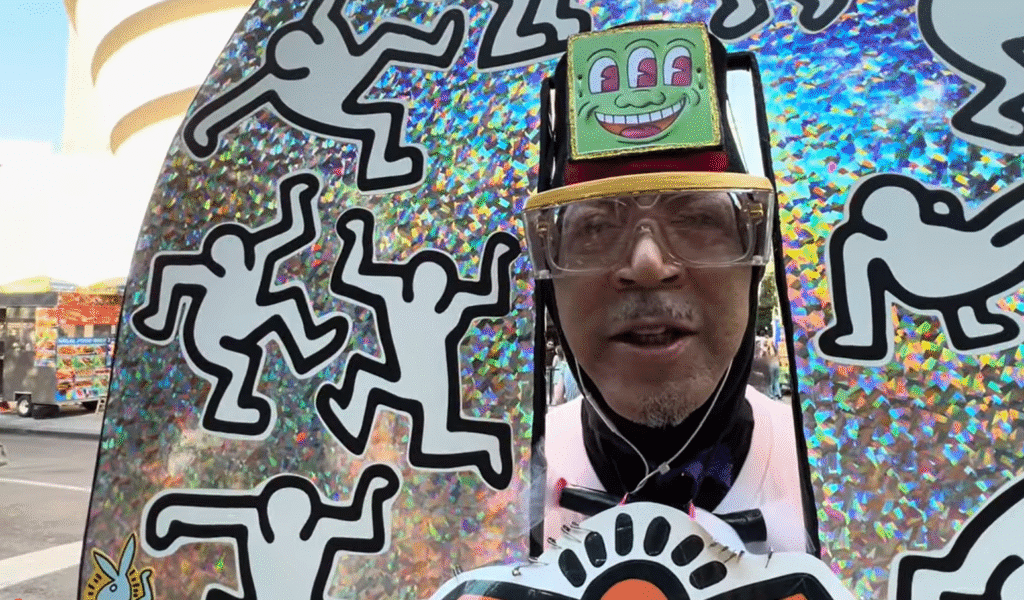
Over time, Museum Mile expanded beyond gallery walls. Formally, the exhibitions remain the center, but the street itself sets the rhythm of the event. For a few hours, Fifth Avenue becomes a stage where sounds, movement, and moods shift—from the hushed silence near entrances to loud improvisations on the asphalt.
This is a natural evolution. Museums have long sought ways to engage audiences outside their walls, and the festival provides the perfect conditions. Some programs literally “go outside”—musicians, performers, and educational activities. As a result, even those who didn’t plan to go inside find themselves drawn into a dialogue with art.
A key detail is the shift in visitor behavior. People don’t follow a strict “museum-by-museum” route. They stop, veer off course, and double back. This reveals the festival’s paradox: the strongest impressions often occur not in the galleries with masterpieces, but between them—at crossings, in the crowd, and during brief encounters with street performances. Art stops being distant and embeds itself into the living rhythm of the city.
Goal: Live It, Don’t Just Walk It
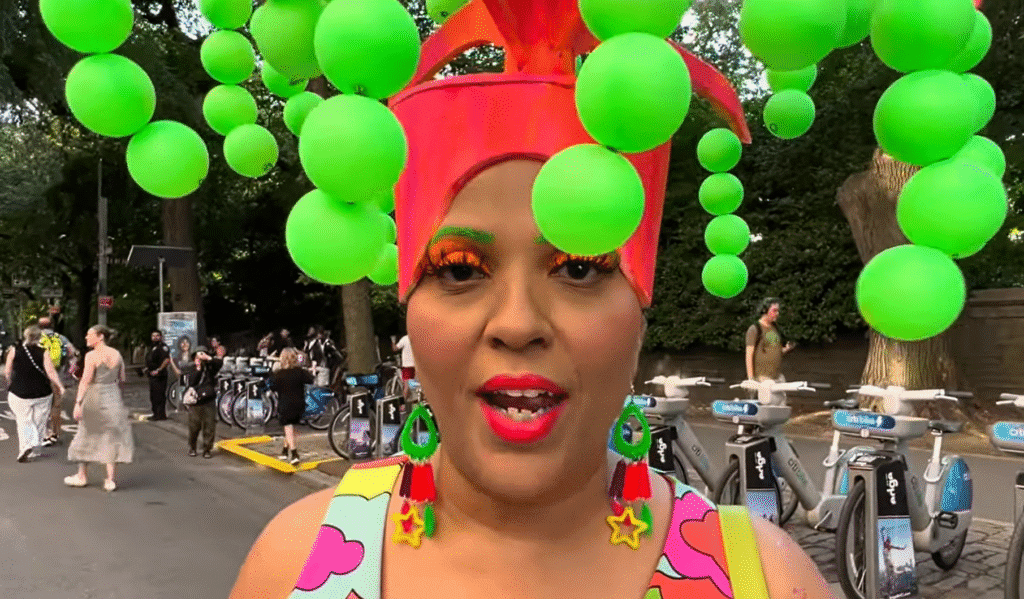
Let’s play with the festival’s name. Museum Mile is something to be lived, not just walked. What gets in the way? The biggest mistake is trying to see everything. The idea is understandable: museums are open, entry is free, and the event is short. But this strategy often ruins the experience. Museum Mile requires a different approach: it’s better to visit fewer spots but choose the most interesting ones and fully enjoy them.
The optimal approach is simpler than it seems. Choose a few museums that truly interest you and leave time for spontaneous visits. The lines here are a sort of pause—a chance to catch your breath, discuss what you’ve seen, or simply people-watch.
The street adds another layer of experience. Fifth Avenue stops being a fast artery and becomes a territory for unhurried movement. People sit on curbs, children draw, someone listens to music, and someone else accidentally stumbles upon a performance and stays longer than planned. Consequently, Museum Mile reveals itself as an event that cannot be navigated by a script. It’s better to live it—with pauses, detours, and a readiness to change your route at any moment.
FAQ: What You Need to Know Before Visiting
Practical questions usually arise before Museum Mile. How much time should you set aside, where should you go first, and is it realistic to visit everywhere? Let’s look at the answers to the most common questions before your visit.
When does the festival take place and how long does it last?
The festival happens once a year, usually on the second Tuesday of June, and lasts for a few hours in the evening. It’s enough to soak in the atmosphere, but not enough for a “marathon” of all museums—so you must manage your time carefully.
Is admission really free for all museums?
Yes, as part of the event, museums open for free admission. However, expect lines and large crowds, which affect the pace of movement.
Which museums should I choose first?
Follow your own interests rather than a “must-see” list. The logic is simple: fewer spots mean more attention for each.
Is it worth going if you don’t like museums?
Yes, because a large part of the event happens on the street. The music, performances, and the city’s vibrant atmosphere work regardless of whether you step inside.
How to prepare to get the most out of it?
Comfortable shoes, a basic route, and a readiness to change plans on the fly are enough. But we emphasize again: Museum Mile is best enjoyed when you leave room for spontaneous decisions rather than following a rigid schedule.
Mechanics You Don’t Notice at First
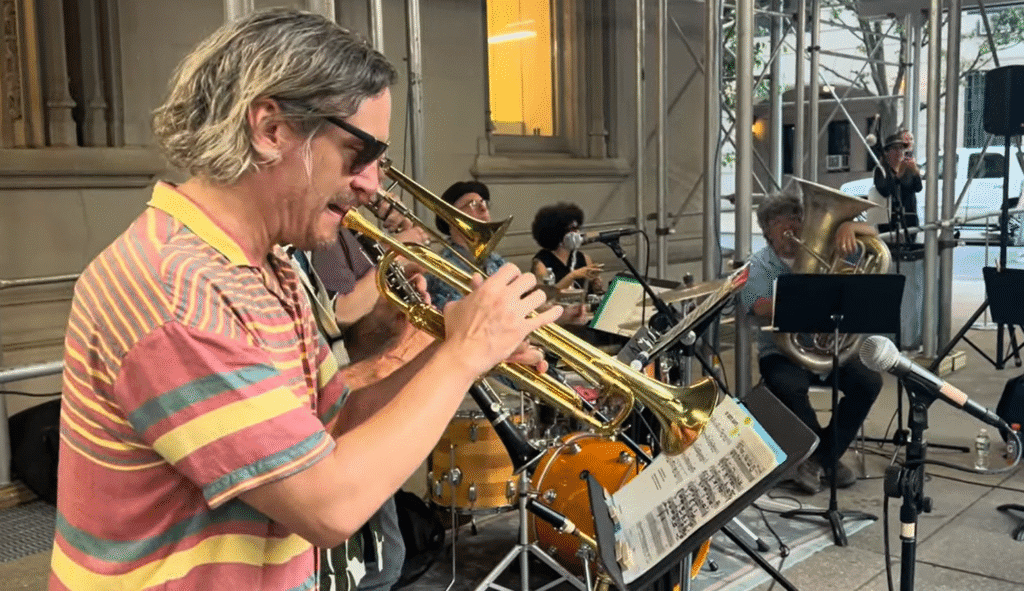
The festival has one feature that explains its resilience — it doesn’t force you to change your habits; it adapts to them. A person comes “just to walk down Fifth Avenue” and decides mid-walk whether to enter a museum. This is a soft engagement scenario that museums began to use actively at the end of the 20th century: first interest, then deeper immersion.
Secondly, the synchronization of institutions. On a normal day, each museum exists at its own pace. During the festival, these differences fade. A “unified cultural route” effect arises, where the visitor moves within one large event rather than switching between institutions.
| Parameter | Normal Day at the Museum | Museum Mile |
|---|---|---|
| Motivation | Planned visit | Spontaneous decision on the spot |
| Route | One museum | Multiple spots + the street |
| Duration | Long, structured | Short, fragmented |
| Behavior | Quiet contemplation | Movement, shifting activities |
| Emotion | Focus | Event effect, engagement |
This is the festival’s ultimate impact—it’s not the same as a regular museum visit. It’s a different rhythm and a different feeling of contact with art. You unintentionally fall into a world of art that reveals itself naturally between music, conversations, and city noise. And that feeling is exactly why people keep coming back: for that state of mind that is so hard to catch on any other day.